Have you ever walked home at night and kept checking your surroundings? You were being vigilant. A security guard watching a door, a student checking an exam answer, or a driver watching the road can also be vigilant.
The word vigilant means staying awake, careful, and alert so you can notice danger or problems. Learning synonyms for vigilant helps you describe this idea in different ways. Some words sound formal, while others are better for daily speech.
Knowing these words can help students write better essays, bloggers avoid repeated words, and content writers make their work more natural.
Daily English users can also choose the right word for each situation. With the right synonyms for vigilant, you can make your writing and speech clearer, more precise, and more interesting.
Quick Answer Box
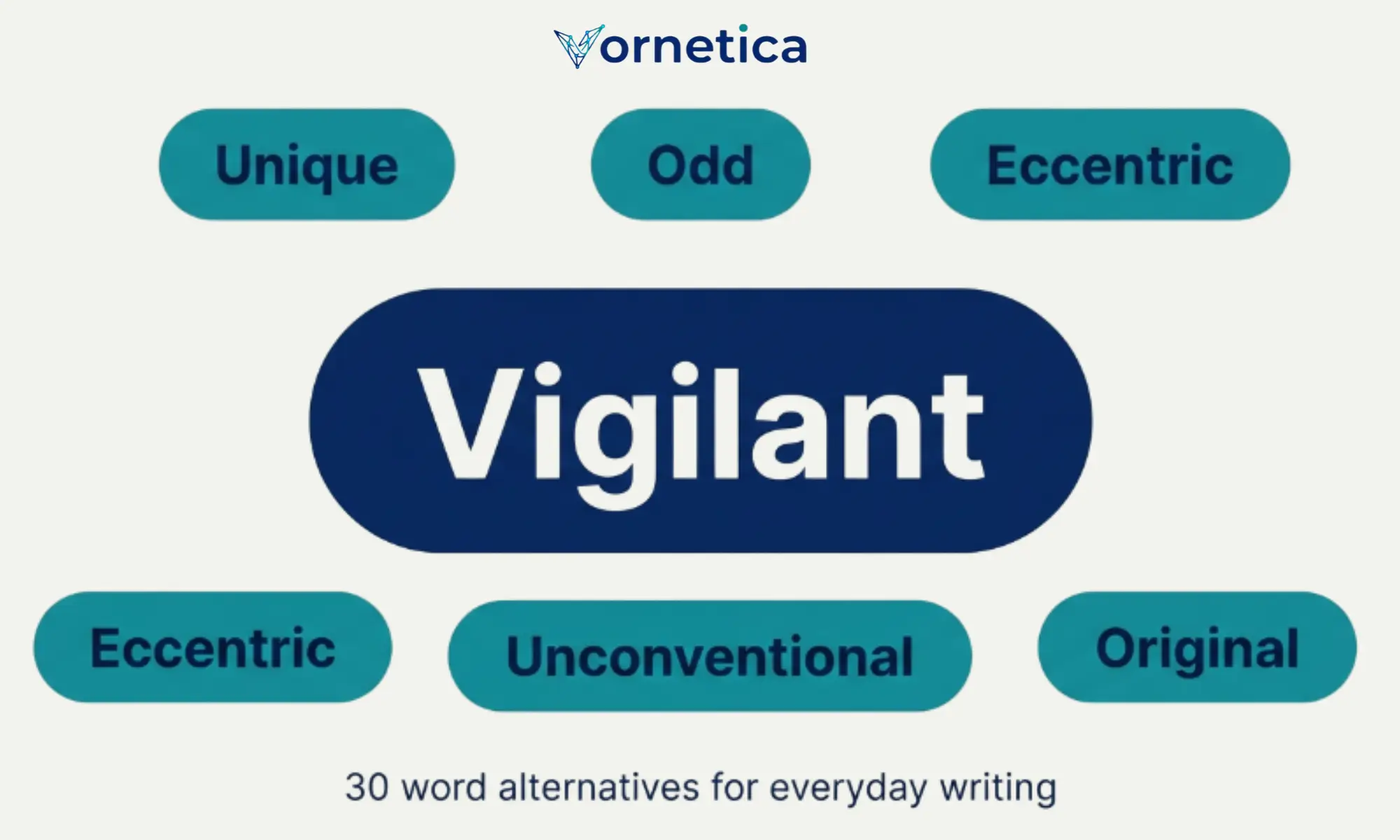
What is another word for vigilant? Common synonyms for vigilant include alert, watchful, attentive, observant, and careful. The best choice depends on the situation and tone.
30 Synonyms for Vigilant
- Alert
Meaning: Being alert means being ready to notice something quickly.
Examples:
- Stay alert when you cross the busy road.
- The guard remained alert all night.
Best Used When: Use it in everyday speech, safety advice, and general writing.
Watchful
Meaning: Watchful means carefully looking for possible danger or problems.
Examples:
- The mother was watchful while her child played.
- The guard stayed watchful near the gate.
Best Used When: Use it when someone is actively watching a person, place, or situation.
Attentive
Meaning: Attentive means giving close attention to someone or something.
Examples:
- The students were attentive during the lesson.
- Please be attentive when the teacher explains the task.
Best Used When: Use it for school, work, meetings, and polite conversation.
Observant
Meaning: Observant means good at noticing small details.
Examples:
- Mia is very observant and noticed the missing key.
- An observant reader may spot the small error.
Best Used When: Use it when focusing on noticing details rather than danger.
Careful
Meaning: Careful means taking steps to avoid mistakes or harm.
Examples:
- Be careful near the wet floor.
- She was careful with the old glass.
Best Used When: Use it in casual speech, instructions, and safety situations.
Cautious
Meaning: Cautious means thinking carefully before taking a risk.
Examples:
- He was cautious when opening the strange email.
- The driver was cautious on the icy road.
Best Used When: Use it for situations involving risk, danger, or uncertainty.
Vigilant
Meaning: Vigilant means staying very alert to notice danger or trouble.
Examples:
- The officers remained vigilant during the event.
- We must stay vigilant around the busy entrance.
Best Used When: Use it in formal, serious, or safety-related writing.
Awake
Meaning: Awake means not sleeping and able to notice what is happening.
Examples:
- I stayed awake until my brother came home.
- The night guard was still awake at midnight.
Best Used When: Use it in simple, everyday situations involving sleep or awareness.
Watchful
Meaning: Watchful means paying close attention while looking for changes or trouble.
Examples:
- The farmer was watchful during the storm.
- She kept a watchful eye on the children.
Best Used When: Use it when someone keeps a close eye on something.
Mindful
Meaning: Mindful means paying careful attention to what you are doing.
Examples:
- Be mindful of the steps near the door.
- She was mindful of other people’s feelings.
Best Used When: Use it for behavior, awareness, manners, and thoughtful actions.
Aware
Meaning: Aware means knowing what is happening around you.
Examples:
- Are you aware of the change in the schedule?
- He stayed aware of the traffic around him.
Best Used When: Use it in everyday speech, work, education, and general writing.
Prepared
Meaning: Prepared means ready to deal with something that may happen.
Examples:
- The team was prepared for heavy rain.
- Keep your phone charged so you are prepared.
Best Used When: Use it when alertness involves being ready for a possible event.
Ready
Meaning: Ready means prepared to act when needed.
Examples:
- The nurse was ready to help.
- Keep your bag ready in case we leave early.
Best Used When: Use it in casual conversation and simple instructions.
Careful-minded
Meaning: Careful-minded describes someone who thinks about risks and details.
Examples:
- She is careful-minded when handling money.
- A careful-minded worker checks every number.
Best Used When: Use it sparingly in descriptive writing; “careful” is more natural in daily English.
Circumspect
Meaning: Circumspect means careful about what you say or do.
Examples:
- The manager was circumspect during the interview.
- She was circumspect about sharing private details.
Best Used When: Use it in formal writing, business, and serious discussions.
Discerning
Meaning: Discerning means able to notice important differences and make good choices.
Examples:
- A discerning buyer checks product details.
- She is discerning when choosing news sources.
Best Used When: Use it for judgment, choices, quality, and careful evaluation.
Heedful
Meaning: Heedful means paying close attention to advice, warnings, or signs.
Examples:
- He was heedful of the warning sign.
- Be heedful of the teacher’s instructions.
Best Used When: Use it in formal or literary writing.
On Guard
Meaning: Being on guard means staying ready for possible danger.
Examples:
- The soldiers remained on guard.
- Stay on guard when walking alone at night.
Best Used When: Use it for security, protection, danger, and physical safety.
- Perceptive
Meaning: Perceptive means quick to understand or notice things.
Examples:
- The perceptive student noticed the teacher’s concern.
- She is perceptive and understands people well.
Best Used When: Use it for people who notice feelings, ideas, or hidden details.
- Prudent
Meaning: Prudent means making a sensible choice after thinking about risks.
Examples:
- It is prudent to save some money.
- He made a prudent choice before signing the deal.
Best Used When: Use it in formal writing, business, finance, and decision-making.
Responsive
Meaning: Responsive means quick to react when something happens.
Examples:
- The team was responsive to the customer’s request.
- Good drivers are responsive to changes on the road.
Best Used When: Use it for work, technology, customer service, and quick reactions.
Sensitive
Meaning: Sensitive means quick to notice or react to changes.
Examples:
- The sensor is sensitive to movement.
- She is sensitive to changes in his voice.
Best Used When: Use it for people, machines, feelings, and small changes.
Scrupulous
Meaning: Scrupulous means very careful about details and rules.
Examples:
- The editor was scrupulous about every fact.
- She is scrupulous when checking financial records.
Best Used When: Use it in formal, professional, academic, and technical writing.
Diligent
Meaning: Diligent means working carefully and steadily.
Examples:
- The diligent student finished every task.
- He is diligent when checking reports.
Best Used When: Use it for school, work, research, and tasks that need care.
Meticulous
Meaning: Meticulous means extremely careful about small details.
Examples:
- She was meticulous when planning the event.
- The mechanic made a meticulous inspection.
Best Used When: Use it for detailed work, research, editing, and professional tasks.
Conscientious
Meaning: Conscientious means careful to do things correctly and responsibly.
Examples:
- He is a conscientious employee.
- She was conscientious about meeting every deadline.
Best Used When: Use it for work habits, responsibility, school, and professional writing.
Watchful-eyed
Meaning: Watchful-eyed describes someone who watches carefully for changes or trouble.
Examples:
- The watchful-eyed parent noticed the child leaving.
- A watchful-eyed guard stood near the entrance.
Best Used When: Use it mainly in creative or descriptive writing.
Foresighted
Meaning: Foresighted means thinking about future problems and preparing for them.
Examples:
- The foresighted leader planned for future risks.
- A foresighted business saves money for hard times.
Best Used When: Use it in business, planning, leadership, and formal writing.
Proactive
Meaning: Proactive means acting early instead of waiting for a problem.
Examples:
- The team took a proactive approach to safety.
- She was proactive and fixed the issue early.
Best Used When: Use it in business, work, management, and modern professional writing.
Vigilant-minded
Meaning: Vigilant-minded describes someone who naturally stays alert and careful.
Examples:
- The vigilant-minded guard checked every visitor.
- A vigilant-minded worker notices small risks.
Best Used When: Use it mainly in descriptive writing; “vigilant” is more common.
Comparison Table
| Synonym | Tone | Best Used In |
| Alert | Neutral | Speech, writing |
| Watchful | Neutral | Writing, speech |
| Attentive | Neutral | Writing, speech |
| Observant | Neutral | Writing, speech |
| Careful | Neutral | Speech, writing |
| Cautious | Neutral | Writing, speech |
| Vigilant | Formal | Writing, technical |
| Awake | Casual | Speech, writing |
| Mindful | Neutral | Writing, speech |
| Aware | Neutral | Speech, writing |
| Prepared | Neutral | Writing, speech |
| Ready | Casual | Speech |
| Circumspect | Formal | Writing |
| Discerning | Formal | Writing |
| Heedful | Formal | Writing |
| On guard | Neutral | Speech, writing |
| Perceptive | Neutral | Writing, speech |
| Prudent | Formal | Writing, business |
| Responsive | Neutral | Technical, writing |
| Sensitive | Neutral | Technical, writing |
| Scrupulous | Formal | Technical, writing |
| Diligent | Formal | Writing, work |
| Meticulous | Formal | Writing, technical |
| Conscientious | Formal | Writing, work |
| Watchful-eyed | Creative | Creative writing |
| Foresighted | Formal | Business, writing |
| Proactive | Neutral | Business, work |
| Vigilant-minded | Formal | Creative writing |
For more vocabulary practice, you can also explore synonyms for passive and synonyms for silent. These related word lists can help you build a wider vocabulary without repeating the same words.
If you want to describe behavior that is quiet or secret, you may also find synonyms for sneaky useful. For a different style of personality description, see synonyms for snarky.
Frequently Asked Questions
What is another word for vigilant?
Common synonyms for vigilant are alert, watchful, attentive, observant, and careful. The best word depends on the context.
What is the best synonym for vigilant?
Alert is one of the most common everyday synonyms for vigilant. It means ready to notice or respond to something.
Is vigilant a positive word?
Yes, vigilant is usually positive. It often describes someone who stays careful and alert to prevent problems.
What is the difference between vigilant and cautious?
Vigilant focuses on staying alert and watching for danger. Cautious focuses more on avoiding risk.
How can I use vigilant in a sentence?
You can say, “The security guard stayed vigilant throughout the night.” It shows that the guard remained alert and watchful.
Practice Exercise
Fill in each blank with the best synonym from the list.
- Please stay ________ while crossing this busy street.
- The student was very ________ and noticed the small error.
- The manager made a ________ choice after checking the risks.
- The security team remained ________ during the event.
- She was ________ about checking every detail in the report.
Answer Key
- alert
- observant
- prudent
- watchful
- meticulous
Key Takeaways
Quick Learning Tips
- Alert is a common everyday synonym for vigilant.
- Watchful is useful when someone is actively watching.
- Cautious works well when danger or risk is involved.
- Observant is best for noticing small details.
- Attentive is useful when someone gives close attention.
- Practice one new synonym in an email, essay, or conversation to remember it better.
Conclusion
Learning synonyms for vigilant gives you more ways to express alertness, care, and attention.
Words such as alert, watchful, cautious, observant, and attentive can make your writing more precise.
Use these words in essays, emails, blog posts, and daily conversations. Try one new synonym each day and notice how its meaning changes with the situation.
When you are ready to grow your vocabulary further, search the site for another useful word.